
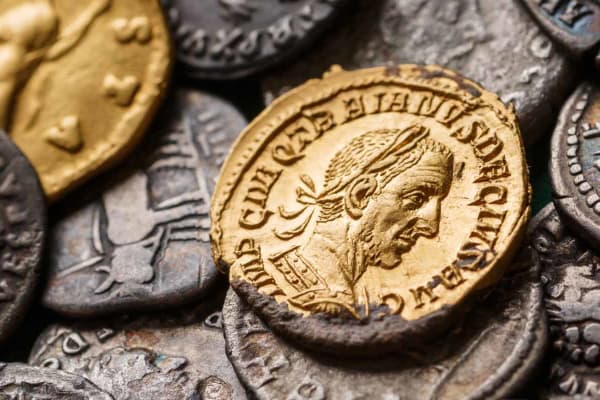
Medieval Money and Coins
Coins, commerce, and the birth of a new economic era
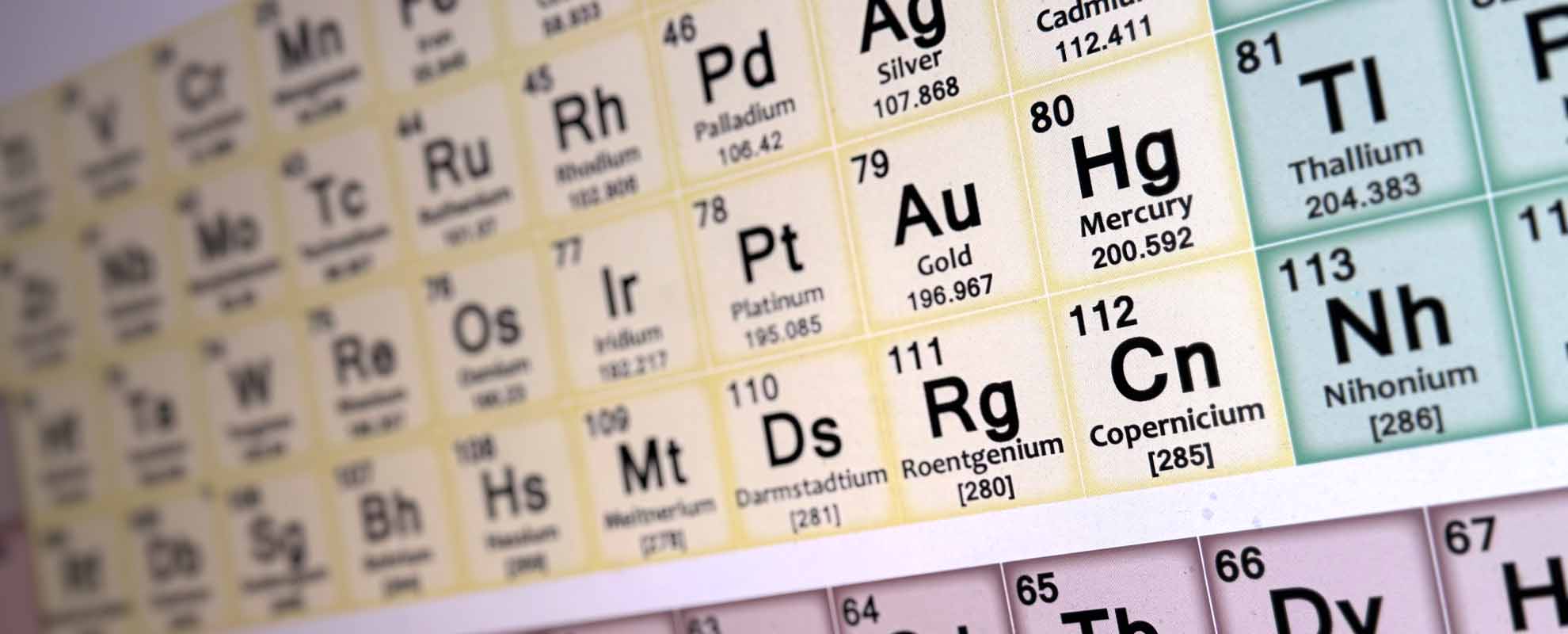
A mineral is a natural, solid substance with a set chemical make-up and an ordered crystal structure. Minerals are the building blocks of rocks, and we use them every day, in everything from phones, batteries and cars to food, medicine and buildings.
This guide lists 40 common minerals and mineral resources, in A to Z order, with what each one is used for. Each entry links to a trusted source, such as the US Geological Survey or the Royal Society of Chemistry, so you can find out more.
To count as a mineral, a substance has to form naturally, be solid, have a fixed chemical make-up and have its atoms arranged in a regular pattern, called a crystal structure.
A few minerals, such as gold, silver, copper and sulfur, are pure elements. Most are compounds, made from two or more elements joined together. Quartz, for example, is made of silicon and oxygen.
Rocks are different. A rock is a mix of minerals. Granite, for example, is mostly made of quartz, feldspar and mica.
Strictly speaking, a few entries on this list aren't single minerals. Bauxite and iron ore are rocks, perlite is a volcanic glass, and elements such as lithium and tantalum come from minerals rather than being minerals themselves. We've included them because they're some of the most important mineral resources we use.
Select a mineral to jump to more information about it.
| Mineral | Main uses |
|---|---|
| Antimony | Car batteries, flame retardants |
| Asbestos | Insulation and fireproofing (now banned in the UK) |
| Barium | X-ray scans, fireworks, drilling |
| Bauxite | Aluminium for cans, foil and aircraft |
| Beryllium | Aerospace parts, X-ray equipment |
| Chromite | Stainless steel, chrome plating |
| Cobalt | Rechargeable batteries, jet engines, blue pigment |
| Columbite-tantalite (coltan) | Tantalum and niobium for electronics |
| Copper | Electrical wiring, pipes, coins |
| Feldspar | Glass and ceramics |
| Fluorite | Steelmaking, chemicals, gemstones |
| Gold | Jewellery, investment, electronics, dentistry |
| Gypsum | Plasterboard, plaster, cement |
| Halite | Table salt, gritting roads, chemicals |
| Iron ore | Steel for buildings, cars and bridges |
| Lead | Car batteries, radiation shielding |
| Lithium | Rechargeable batteries, glass, medicine |
| Manganese | Steelmaking, batteries |
| Mica | Electronics, paint and cosmetics |
| Molybdenum | Strong, heat-resistant steel |
| Nickel | Stainless steel, batteries, coins |
| Perlite | Potting compost, insulation |
| Phosphate | Fertiliser |
| Platinum group metals | Catalytic converters, jewellery, electronics |
| Potash | Fertiliser |
| Pyrite | Mineral collections, once sulfuric acid |
| Quartz | Glass, watches, electronics |
| Rare earth elements | Magnets, wind turbines, electric cars, screens |
| Silica | Glass, concrete, moisture-absorbing gel |
| Silver | Jewellery, electronics, solar panels, medicine |
| Sodium carbonate (soda ash) | Glass, detergents, water treatment |
| Stibnite | Main ore of antimony |
| Sulfur | Sulfuric acid, fertilisers, preserving food |
| Tantalum | Phones and laptops, medical implants |
| Titanium | Aircraft, hip replacements, white paint |
| Tungsten | Cutting tools, drill bits, welding |
| Uranium | Nuclear power |
| Vanadium | Strong steel, energy storage batteries |
| Zeolite | Pet litter, cleaning water, removing smells |
| Zinc | Rust-proofing steel, brass, nutrition |
Antimony is a silvery-grey, brittle element. It's rarely found pure in nature, and most of it comes from the mineral stibnite. Its most important use is hardening the lead inside car batteries. Antimony compounds are also used to make plastics, fabrics and children's toys flame resistant.
Learn more: Antimony: atomic and nuclear data (HyperPhysics, Georgia State University)
Asbestos is the name for a group of natural minerals that form long, thin fibres. It resists heat and fire, so it was once widely used in buildings for insulation, roofing and fireproofing. Breathing in asbestos fibres can cause serious lung diseases, including cancer, so it has been banned in the UK since 1999. The gemstone tiger's eye forms when quartz replaces asbestos fibres in rock, which gives it its silky shine.
Learn more: Why asbestos is dangerous and where it can be found (Health and Safety Executive)
Barium is a soft, silvery metal. It's mainly mined as the mineral barite. Patients drink a barium sulfate mixture before some X-ray scans, because it shows up clearly on the image. Barium compounds also give fireworks their green colour, and barite is used in the fluids that help drill oil and gas wells.
Learn more: Barium: properties and data (WebElements)
Bauxite is a rock, and it's the main source of aluminium. It forms over millions of years when heavy tropical rain washes other minerals out of the ground, leaving behind a layer rich in aluminium. That aluminium ends up in drinks cans, kitchen foil, window frames and aircraft.
Learn more: Bauxite and alumina statistics and information (US Geological Survey)
Beryllium is a light, strong metal that comes from minerals such as beryl and bertrandite. It's used in aircraft and satellite parts, in electronics, and as a window in X-ray equipment, because X-rays pass straight through it. Its dust is toxic, so it has to be handled carefully. The gemstones emerald and aquamarine are both types of beryl.
Learn more: Beryllium: element information, properties and uses (Royal Society of Chemistry)
Chromite is the main ore of chromium, a hard, shiny metal that doesn't rust easily. Most chromium is used to make stainless steel. It's also used for chrome plating, which gives car parts, taps and bike handlebars their mirror-like finish.
Learn more: Chromium statistics and information (US Geological Survey)
Cobalt is a hard, silvery-blue metal. It's an important part of many rechargeable batteries, and it's mixed with other metals to make parts for jet engines. For centuries, cobalt has been used to give glass and pottery a deep blue colour, known as cobalt blue.
Learn more: Cobalt: element information, properties and uses (Royal Society of Chemistry)
Columbite-tantalite, often called coltan, is a metal ore. Two metals are taken from it: tantalum, which is used in tiny electronic parts in phones and laptops, and niobium, which makes steel stronger. Much of the world's coltan comes from central Africa, where mining has been linked to conflict, so it's often described as a conflict mineral.
Learn more: Niobium and tantalum statistics and information (US Geological Survey)
Copper is a soft, reddish-orange metal. It carries electricity and heat very well, so it's used for electrical wiring, electronics and plumbing pipes. Copper mixed with zinc makes brass, and copper mixed with tin makes bronze.
Learn more: Copper: atomic and nuclear data (HyperPhysics, Georgia State University)
Feldspars are the most common group of minerals in the Earth's crust. They're a major part of granite and many other rocks. Feldspar is mainly used to make glass and ceramics, such as tiles, toilets, sinks and pottery.
Learn more: Feldspar statistics and information (US Geological Survey)
Fluorite (also called fluorspar) is a colourful mineral that often glows under ultraviolet light. In fact, the word fluorescence comes from fluorite. It's used to make hydrofluoric acid, which goes into many everyday chemicals, and it helps impurities separate out when steel and aluminium are made. Blue John, a banded purple and yellow fluorite, is found only at Castleton in Derbyshire.
Learn more: Fluorspar statistics and information (US Geological Survey)
Gold is one of the few metals found pure in nature. It doesn't rust or tarnish, and it's the most malleable metal, which means it can be beaten into incredibly thin sheets. It's used for jewellery, coins and bars, electronics, dentistry and even spacecraft.
Learn more: Gold: element information, properties and uses (Royal Society of Chemistry)
From Gold Traders: Is gold magnetic?, What is the boiling point of gold?, How much gold is in the human body?, What is the Latin word for gold?
Gypsum is a very soft mineral. You can scratch it with a fingernail. It's used to make plasterboard and plaster for walls and ceilings, and a little is added to cement to control how quickly it sets. Farmers also spread it on soil to improve it.
Learn more: Gypsum statistics and information (US Geological Survey)
Halite is rock salt, or sodium chloride. As well as seasoning food, it's spread on roads in winter to stop ice forming. It's also used in water softeners and to make important chemicals, such as chlorine.
Learn more: Salt in Kansas (Kansas Geological Survey, University of Kansas)
Iron ore is rock that contains iron minerals, such as haematite and magnetite. Almost all iron ore is used to make steel, which goes into buildings, bridges, cars, tools and household appliances.
Learn more: Iron mining: where and why? (Michigan State University)
Lead is a soft, heavy, grey metal that mostly comes from the mineral galena. Today, most lead is used in car batteries, and it's also used to shield people from X-rays and radiation. Lead is poisonous if it's swallowed or breathed in as dust or fumes, and it's especially harmful to children. That's why it's no longer used in household paint or petrol.
Learn more: Lead: element information, properties and uses (Royal Society of Chemistry)
Lithium is the lightest metal. It's best known for the rechargeable batteries in phones, laptops and electric cars. It's also used to make heat-resistant glass and ceramics, and lithium medicines are used to treat bipolar disorder.
Learn more: Lithium: element information, properties and uses (Royal Society of Chemistry)
Manganese is a hard, brittle metal. Most of it is used in steelmaking, where it makes steel stronger and tougher. It's also used in batteries. In the deserts of the south-western USA, a dark coating rich in manganese, called desert varnish, forms on rocks, and ancient peoples carved pictures into it.
Learn more: Manganese: element information, properties and uses (Royal Society of Chemistry)
Mica is a group of minerals that split into thin, flexible sheets. It gives many rocks, such as granite, their sparkle, and it's added to paint and make-up for the same reason. Mica doesn't conduct electricity, so it's used in electronics. Thin sheets of mica were once used as windows in stoves and lanterns.
Learn more: Mica statistics and information (US Geological Survey)
Molybdenum is a metal that's mainly used to make steel stronger and better at resisting heat and rust. It's also a trace element that living things need. Plants and some bacteria rely on it to use nitrogen, and people need tiny amounts in their diet.
Learn more: Molybdenum: element information, properties and uses (Royal Society of Chemistry)
Nickel is a silvery metal. Most of it is used to make stainless steel, and it's also used in batteries, plating and coins. Many meteorites that fall to Earth are made mostly of iron and nickel.
Learn more: Metal, iron and nickel in meteorites (Washington University in St. Louis)
Perlite is a natural volcanic glass. When it's heated, it puffs up like popcorn into a light, white material. Expanded perlite holds water and air well, so it's the white bits you see in potting compost. It's also used for insulation and in filters.
Learn more: Perlite statistics and information (US Geological Survey)
Phosphate rock contains phosphorus, which every living thing needs. It's part of our DNA, bones and teeth. Most phosphate rock is made into fertiliser to help crops grow.
Learn more: Phosphate rock statistics and information (US Geological Survey)
The platinum group metals are platinum, palladium, rhodium, ruthenium, iridium and osmium. They're rare and they don't rust, which makes them valuable. Their biggest use is in catalytic converters, which clean up the exhaust from cars. They're also used in jewellery, electronics and medical equipment. Most are mined in South Africa and Russia.
Learn more: Platinum group metals statistics and information (US Geological Survey)
Potash is the name for salts that are rich in potassium. The name comes from "pot ash", because people once made potassium compounds by soaking wood ashes in pots. Most potash is used to make fertiliser. Potassium is also vital in our bodies, helping our nerves and muscles work properly.
Learn more: Potash statistics and information (US Geological Survey)
Pyrite is iron sulfide, and it's often called fool's gold because of its brassy colour. Its name comes from the Greek word for fire, because it gives off sparks when it's struck against steel. Ancient peoples in Central and South America polished pyrite to make mirrors, and it was once an important source of sulfur for making sulfuric acid.
Learn more: Pyrite: mineral information and data (Mindat)
From Gold Traders: What is fool's gold made of?, How to tell fool's gold from real gold
Quartz is silicon dioxide, and it's one of the most common minerals in the Earth's crust. Amethyst, citrine, rose quartz, agate, onyx, jasper and flint are all types of quartz. Quartz crystals vibrate at a very steady rate when electricity passes through them, which is why they're used to keep time in watches and electronics.
Learn more: Quartz: mineral information and data (Mindat)
The rare earth elements are a group of 17 metals: the 15 lanthanides, plus scandium and yttrium. They aren't actually that rare, but they're hard to find in amounts worth mining. They're used to make very strong magnets for wind turbines, electric car motors and headphones, as well as phone screens and catalysts.
Learn more: Rare earths statistics and information (US Geological Survey)
Silica is the chemical name for silicon dioxide, the substance that makes up quartz and most sand. Silica sand is used to make glass and concrete. Silica gel, found in the little sachets packed with new shoes and electronics, soaks up moisture.
Learn more: Silica statistics and information (US Geological Survey)
Silver is a precious metal, and it conducts electricity better than any other metal. It's used for jewellery, cutlery, coins, electronics and solar panels. Silver also kills bacteria, so it's used in some wound dressings.
Learn more: Silver: element information, properties and uses (Royal Society of Chemistry)
From Gold Traders: Is silver magnetic?, Gold vs silver
Sodium carbonate, also known as soda ash, comes from the mineral trona or is made from salt and limestone. It's used to make glass, detergents and paper, to treat water and to control how acidic other products are.
Learn more: Soda ash statistics and information (US Geological Survey)
Stibnite is antimony sulfide, and it's the main ore of antimony. It forms shiny, grey, needle-like crystals. China produces more antimony than any other country.
Learn more: Antimony statistics and information (US Geological Survey)
Sulfur is a bright yellow element that's found pure near volcanoes and hot springs. Most sulfur is used to make sulfuric acid, which is needed for fertilisers, batteries and many other products. Sulfur dioxide helps preserve wine and dried fruit. When coal and oil are burned, they release sulfur dioxide into the air, which causes acid rain.
Learn more: Sulfur: element information, properties and uses (Royal Society of Chemistry)
Tantalum is a very hard metal with a high melting point, and it doesn't rust. Its main use is in tiny electronic parts called capacitors, found in phones and laptops. The body doesn't react to it, so it's also used in medical implants.
Learn more: Tantalum: element information, properties and uses (Royal Society of Chemistry)
Titanium is as strong as some steels but much lighter, and it doesn't rust. It's used in aircraft, hip replacements, dental implants and bikes. Most titanium minerals are turned into titanium dioxide, a bright white powder used in paint, paper, toothpaste and sun cream.
Learn more: Titanium: element information, properties and uses (Royal Society of Chemistry)
Tungsten has the highest melting point of any metal, at 3,422°C. It was used for the glowing filaments in old-style light bulbs. Today, it's mostly made into tungsten carbide, which is extremely hard and is used for drill bits, saw blades and cutting tools.
Learn more: Tungsten: element information, properties and uses (Royal Society of Chemistry)
Uranium is a very heavy, slightly radioactive metal. Its main use is as fuel in nuclear power stations, which make electricity without burning fossil fuels. Because it's so dense, uranium is also used where a lot of weight needs to fit in a small space.
Learn more: Uranium: element information, properties and uses (Royal Society of Chemistry)
Vanadium is a hard, silvery metal. Most of it is added to steel to make it stronger, for things like tools and springs. It's also used in large batteries that store electricity from wind and solar farms.
Learn more: Vanadium: element information, properties and uses (Royal Society of Chemistry)
Zeolites are minerals full of tiny holes that can trap other substances. Their name means "boiling stone" in Greek, because they give off steam when they're heated. They're used in pet litter, to remove smells, to clean wastewater, in animal feed and, as man-made zeolites, in detergents.
Learn more: Zeolites statistics and information (US Geological Survey)
Zinc is a bluish-white metal. Its biggest use is galvanising, which means coating steel with zinc to stop it rusting. Zinc is also mixed with copper to make brass. Our bodies need small amounts of zinc to fight infections, heal wounds and taste food.
Learn more: Zinc (Linus Pauling Institute, Oregon State University)
If you're using this page for schoolwork or research, you can cite it like this:
Gold Traders. 40 Common Minerals and Their Uses. Available at: https://www.gold-traders.co.uk/gold-information/40-common-minerals/ (Accessed: [the date you viewed this page]).
Coins, commerce, and the birth of a new economic era
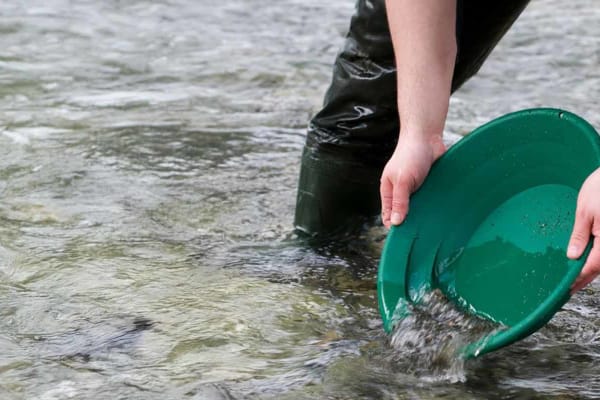
Uncover the truth behind Cornwall's elusive gold - its ancient origins, rare discoveries, and the future of sustainable mining in Britain's historic heartland.
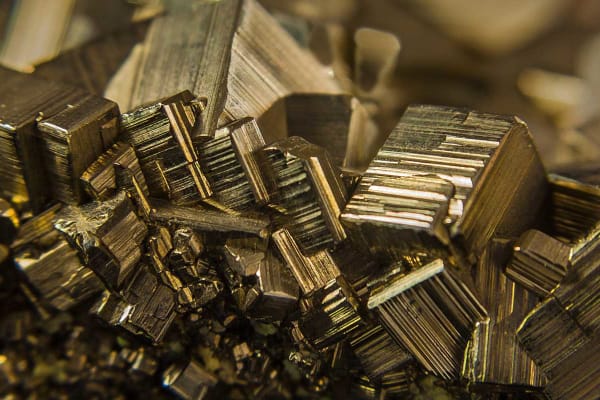
Learn how to tell the difference between Fool's Gold and real gold
We've compiled a list of our most frequently asked questions. If there's something we haven't covered, please call us & we'll be happy to help. Read all FAQs.
Yes. Gold is a native element mineral, which means it can be found in nature in its pure form, rather than combined with other elements.
A mobile phone contains many minerals and metals, including copper for wiring, gold and silver for connections, tantalum for capacitors, lithium and cobalt for the battery, rare earth elements for the speakers and screen, and silicon from quartz for the chips.
A mineral is a natural, solid substance with a set chemical make-up and an ordered crystal structure. Quartz, feldspar, halite (rock salt) and gold are all examples of minerals.
The feldspars are the most common group of minerals in the Earth's crust, and quartz comes a close second. Both are found in granite and many other rocks.
A mineral is a single substance with a fixed chemical make-up. A rock is a mix of one or more minerals. Granite, for example, is a rock made mostly of the minerals quartz, feldspar and mica.