

Memoirs of the Gold Rush
The California gold rush significantly impacted the United States

At the time of the American Dollar's inception and approval by the Congress in 1786, it was merely a symbolic act and no actual coins or bills were created until the signing of the Coinage Act of 1792, when the dollar was produced in coins rather than the paper money that we know today. At that time, the American Dollar coin represented 24.75 grains of gold and the dollar coins were composed of silver.
In 1900, the United States government moved their money to the Gold Standard, which meant that all money being used in the country was backed by a certain amount of gold that was held in the Federal Repository. At that time, the value of one dollar was set as equal and redeemable to the amount of 23.22 grains of gold.
In the years that followed, the Gold Standard was suspended and reinstated several times until 1963, when the United States followed the example of most other nations of the world in making their money a fiat currency, one that is not directly backed by any physical amount of gold or other precious metals.
The California gold rush significantly impacted the United States
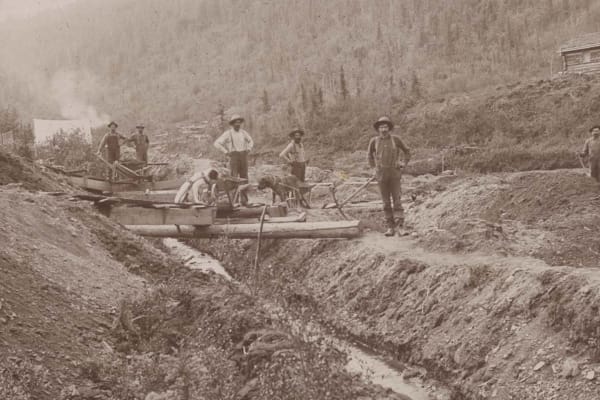
Gold has captivated humans for centuries, sparking dreams of wealth and adventure. From the ancient pyramids of Egypt to the rugged mountains of South America, the quest for this shiny metal has shaped civilisations and written history. But where did it all begin? As we explore significant historical mining sites, we uncover not only where gold was found but also how these discoveries transformed societies and economies, fueling ambition and igniting countless stories of success and struggle along the way.
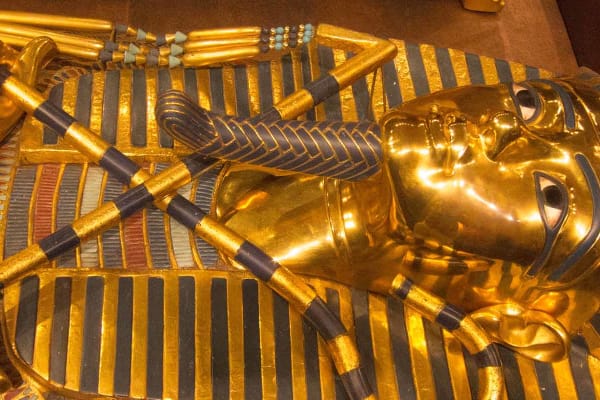
Ancient Egypt can be categorised into different periods depending on the dynasty which was ruling the country.